
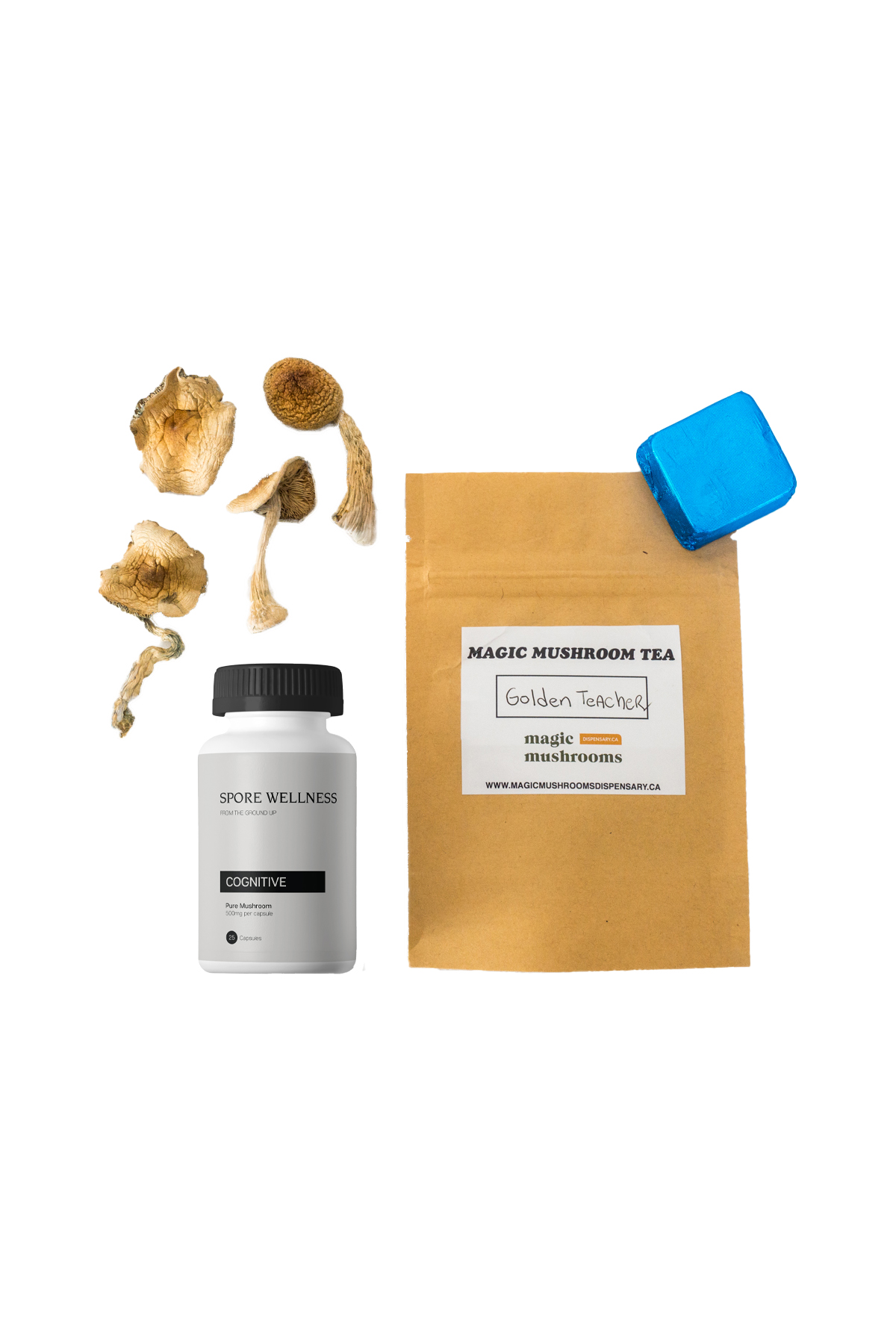
First Timer Magic Mushroom Kit: Psych 101 – An Introduction to Psychedelics
Psychedelics have become one of the most discussed topics in modern wellness, neuroscience, psychology, and cultural studies. As public interest grows and scientific research expands, many people are encountering terms such as psilocybin, psychedelic therapy, altered states of consciousness, and magic mushrooms for the very first time.
For beginners, the world of psychedelics can seem fascinating, complex, and sometimes overwhelming. Questions about history, effects, research, legality, safety, and cultural significance are common. This Psych 101 guide serves as an educational introduction to psychedelics, helping readers understand the fundamentals without assuming prior knowledge.
Whether you’re researching psychedelic culture, following developments in mental health research, or simply curious about one of humanity’s oldest psychoactive traditions, this guide provides a foundational overview of the subject.
What Are Psychedelics?
Psychedelics are a class of psychoactive substances known for their ability to alter perception, cognition, mood, and sensory experiences. The term “psychedelic” originates from Greek words meaning “mind manifesting.”
These substances have been used throughout history in various cultural, spiritual, and ceremonial contexts.
Commonly Discussed Psychedelics
Some of the most well-known psychedelics include:
- Psilocybin mushrooms
- LSD
- Mescaline
- DMT
- Ayahuasca
Each substance has unique characteristics, cultural histories, and areas of scientific research.
Understanding Psilocybin Mushrooms
Psilocybin mushrooms, often referred to as magic mushrooms, are among the most widely discussed natural psychedelics.
What Is Psilocybin?
Psilocybin is a naturally occurring compound found in certain mushroom species. After consumption, it is converted by the body into psilocin, which interacts with serotonin receptors in the brain.
Researchers continue studying how psilocybin affects perception, cognition, emotional processing, and neural connectivity.
The History of Psychedelic Use
Psychedelics have been part of human culture for thousands of years.
Ancient Traditions
Historical and archaeological evidence suggests that various cultures used psychedelic plants and fungi in:
- Spiritual ceremonies
- Religious rituals
- Community gatherings
- Traditional healing practices
- Cultural celebrations
These traditions existed long before modern scientific research emerged.
Psychedelics in the Modern Era
Interest in psychedelics expanded significantly during the mid-20th century.
Researchers explored potential applications in:
- Psychology
- Psychiatry
- Neuroscience
- Consciousness studies
Today, scientific institutions around the world continue examining these substances in controlled research environments.
Why Psychedelics Are Being Studied
One reason psychedelics have gained renewed attention is the growth of scientific research.
Areas of Research
Current studies are exploring topics such as:
- Brain connectivity
- Consciousness
- Emotional processing
- Mental health treatments
- Cognitive flexibility
- Human perception
Research remains ongoing, and scientists continue evaluating both opportunities and limitations.
How Psychedelics Affect Perception
One of the defining characteristics of psychedelics is their impact on perception.
Commonly Reported Experiences
Individuals have reported changes involving:
- Visual perception
- Pattern recognition
- Emotional awareness
- Sense of time
- Thought processes
- Personal reflection
Experiences vary widely among individuals and can be influenced by numerous factors.
The Concept of “Set and Setting”
Within psychedelic research and education, the phrase “set and setting” is frequently discussed.
What Does It Mean?
Set refers to:
- Mindset
- Expectations
- Emotional state
- Personal outlook
Setting refers to:
- Physical environment
- Social surroundings
- Context of the experience
Researchers and educators often highlight the importance of these factors when discussing psychedelic experiences.
Psychedelics and the Brain
Scientists continue studying how psychedelics interact with neural systems.
Areas of Interest
Research has explored:
- Serotonin receptor activity
- Brain network communication
- Cognitive flexibility
- Neural connectivity
- Perception mechanisms
While many questions remain, neuroscience has become one of the fastest-growing areas of psychedelic research.
Myths and Misconceptions About Psychedelics
Public discussions often include misconceptions about psychedelics.
Myth 1: All Experiences Are the Same
Experiences vary significantly depending on the individual, environment, mindset, and substance involved.
Myth 2: Psychedelics Are a New Trend
Psychedelics have been part of human history for thousands of years.
Myth 3: Research Is Complete
Scientific investigation remains ongoing, with many questions still being explored.
Psychedelic Culture and Society
Psychedelics have influenced numerous areas of culture.
Areas of Influence
These include:
- Art
- Music
- Literature
- Philosophy
- Psychology
- Spiritual exploration
Their impact extends far beyond scientific research alone.
Legal Considerations
Psychedelic laws vary considerably between countries, states, provinces, and local jurisdictions.
Why Legal Awareness Matters
Anyone researching psychedelics should understand:
- Local regulations
- Regional laws
- Policy changes
- Research exemptions
Legal frameworks continue evolving in many parts of the world.
Safety Considerations
Educational discussions about psychedelics often include safety considerations.
Important Factors
Common considerations include:
- Mental health history
- Physical health conditions
- Environmental factors
- Substance interactions
- Legal requirements
Individuals should consult qualified healthcare professionals regarding personal medical questions.
The Future of Psychedelic Research
Interest in psychedelic science continues expanding globally.
Emerging Areas
Researchers are exploring:
- Neuroscience applications
- Mental health studies
- Consciousness research
- Therapeutic frameworks
- Brain imaging technologies
The coming years are expected to bring significant developments in this field.
Frequently Asked Questions
What are psychedelics?
Psychedelics are substances that can alter perception, cognition, mood, and sensory experiences.
What is psilocybin?
Psilocybin is a naturally occurring compound found in certain mushroom species and is one of the most studied psychedelic substances.
Why are psychedelics being researched?
Researchers are exploring their effects on brain function, consciousness, emotional processing, and mental health.
Are psychedelics new?
No. Psychedelics have been used in various cultural and spiritual traditions for thousands of years.
What does “set and setting” mean?
It refers to a person’s mindset and environment, both of which are often discussed as factors influencing psychedelic experiences.
Are psychedelic laws the same everywhere?
No. Laws vary significantly depending on the country, state, province, or local jurisdiction.
Conclusion
Psychedelics remain one of the most intriguing subjects in modern science, psychology, and culture. From ancient traditions to cutting-edge neuroscience research, these substances continue attracting attention from researchers, educators, healthcare professionals, and curious learners alike.
For beginners, understanding the history, science, cultural significance, and ongoing research surrounding psychedelics provides a strong foundation for informed learning. As interest continues growing in 2026, educational resources such as this Psych 101 guide can help newcomers navigate the topic with greater clarity and context.
Be the first to review “First Timer Magic Mushroom Kit: Psych 101 – An Introduction to Psychedelics”
Related products
Mushrooms
Mushrooms
Mushrooms

Mushrooms

Mushrooms
Mushrooms
Mushrooms
Reviews
There are no reviews yet.