
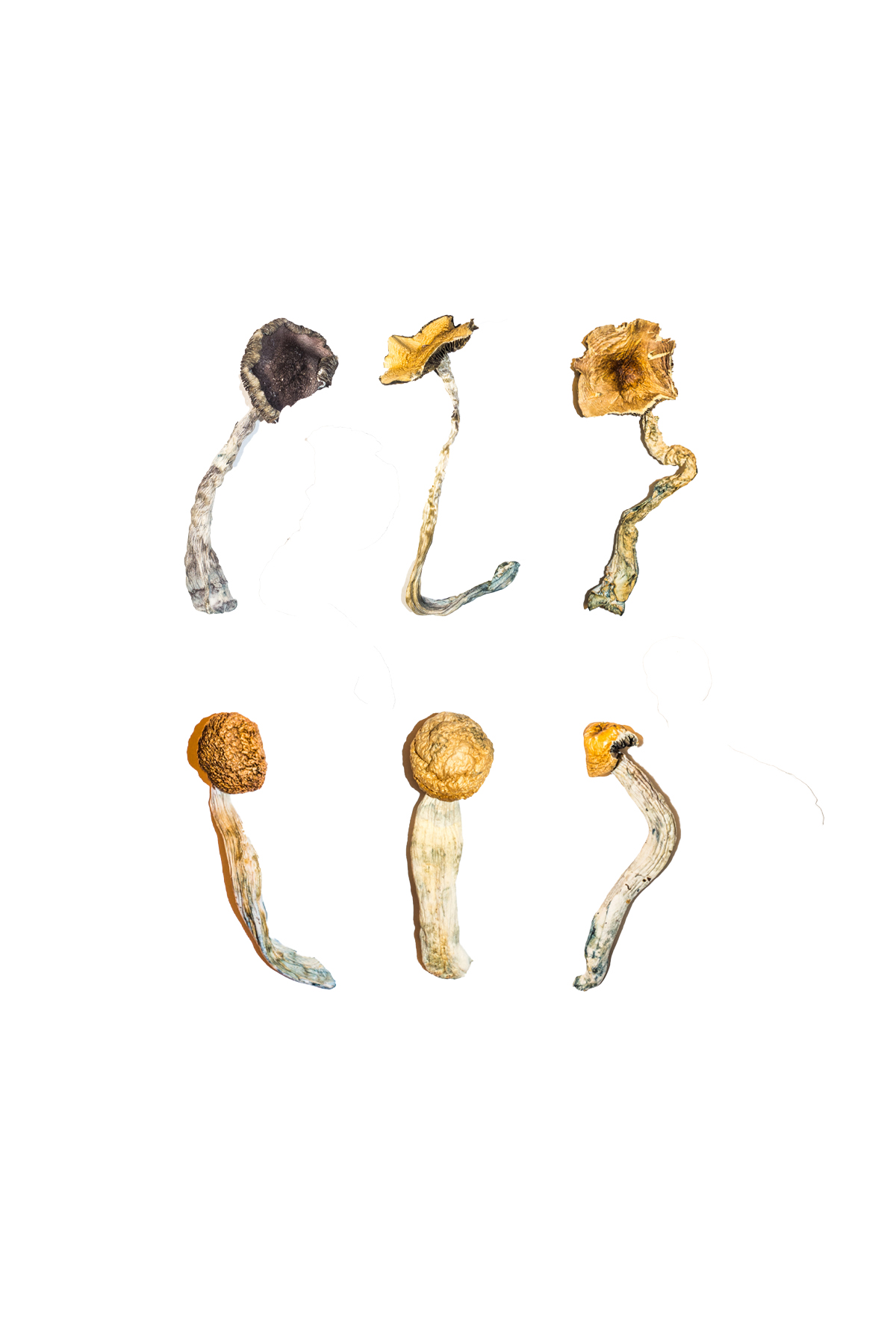
Magic Mushroom Sampler Kit / Tasting Menu
Original price was: $117.00.$99.00Current price is: $99.00.
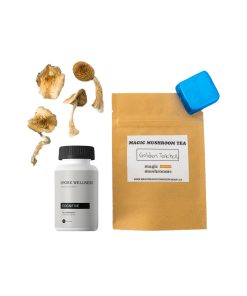
Magic Mushroom Sampler Kit / Tasting Menu includes all of the following:
- 1 gram of Golden Teacher Magic Mushrooms
- 1 gram of Penis Envy Magic Mushrooms
- 1 gram of Psilocybe Aztecorum Magic Mushrooms
- 1 gram of Big Mex Magic Mushrooms
- 1 gram of Treasure Coast Magic Mushrooms
- 1 gram of Brazilian Magic Mushrooms
Total of 6 grams (1 gram of each strain) = Sale $99 (Regular $117)
Magic Mushroom Sampler Kit / Tasting Menu (2026 Guide) | Understanding Psilocybin Mushroom Varieties
The growing interest in psychedelic education has led many people to explore the diverse world of psilocybin-containing mushrooms. Among the concepts frequently discussed within mushroom culture is the idea of a “Magic Mushroom Sampler Kit” or “Tasting Menu.” While the phrase is often used informally within educational and enthusiast communities, it generally refers to learning about multiple mushroom varieties and understanding the characteristics that make each one unique.
As psychedelic science, history, and culture continue attracting attention in 2026, many newcomers are interested in understanding the differences between well-known mushroom varieties such as Golden Teacher, Ecuadorian, B+, Mazatapec, Treasure Coast, and others. Educational discussions often focus on appearance, historical background, cultural significance, and scientific interest rather than product selection or consumption.
This guide explores the concept of a Magic Mushroom Sampler Kit from an informational perspective, helping readers better understand mushroom diversity, psilocybin research, and the growing fascination with psychedelic fungi.
What Is a Magic Mushroom Sampler Kit?
A Magic Mushroom Sampler Kit is generally discussed as an educational collection or overview of different psilocybin mushroom varieties. The concept allows enthusiasts, researchers, and learners to compare the history, appearance, and cultural significance of multiple mushroom strains.
Rather than focusing on a single variety, a sampler approach emphasizes:
- Mushroom diversity
- Historical backgrounds
- Visual characteristics
- Taxonomy and classification
- Cultural significance
- Scientific interest
This educational framework helps newcomers gain a broader understanding of psilocybin-containing fungi.
Why People Explore Different Mushroom Varieties
Psilocybin mushrooms have become a major topic within psychedelic education.
Common Reasons for Interest
People often explore mushroom varieties to learn about:
- Fungal biodiversity
- Psychedelic history
- Ethnobotanical traditions
- Scientific research
- Mushroom identification
- Cultural significance
This curiosity has contributed to the growing popularity of educational mushroom resources.
Understanding Psilocybe Cubensis
Many of the most recognized mushroom varieties belong to the species Psilocybe cubensis.
Why Psilocybe Cubensis Is Important
This species is widely discussed because of:
- Global recognition
- Historical popularity
- Scientific interest
- Cultural significance
- Variety diversity
Many well-known mushroom strains are variations of Psilocybe cubensis.
Popular Mushroom Varieties Often Included in Educational Discussions
Golden Teacher
Golden Teacher is one of the most recognized mushroom varieties worldwide.
Key characteristics include:
- Golden-colored caps
- Strong cultural recognition
- Prominent role in psychedelic education
- Extensive community discussion
Ecuadorian
Ecuadorian mushrooms are associated with South American origins and remain popular within educational resources.
Notable aspects include:
- Historical significance
- Distinctive appearance
- Strong community awareness
B+
B+ is another widely discussed variety known for its popularity and visibility within mushroom culture.
Educational discussions often focus on:
- Identification characteristics
- Historical background
- Cultivation history
Mazatapec
Mazatapec mushrooms are frequently connected to indigenous mushroom traditions and cultural history.
Topics often explored include:
- Traditional knowledge
- Historical significance
- Ethnomycology
Treasure Coast
Treasure Coast has become recognized within mushroom communities for its unique historical background and naming origins.
The History of Psilocybin Mushrooms
Psilocybin mushrooms have been part of human history for thousands of years.
Ancient Traditions
Historical evidence suggests that mushrooms were used in:
- Spiritual ceremonies
- Religious practices
- Cultural rituals
- Traditional healing systems
- Community gatherings
These traditions existed long before modern psychedelic science emerged.
Psilocybin and Modern Research
Scientific interest in psilocybin has expanded significantly during the past decade.
Research Areas
Scientists continue studying:
- Brain connectivity
- Consciousness
- Emotional processing
- Cognitive flexibility
- Neural communication
- Perception
Research institutions worldwide are actively investigating these topics.
Understanding Mushroom Characteristics
Educational mushroom guides often examine several distinguishing features.
Cap Appearance
Variations may include:
- Color differences
- Shape variations
- Size distinctions
- Surface textures
Stem Structure
Researchers and enthusiasts may examine:
- Thickness
- Height
- Coloration
- Growth patterns
Spore Characteristics
Spore analysis plays an important role in fungal classification and identification.
Mushroom Diversity and Taxonomy
The fungal kingdom contains extraordinary diversity.
Why Taxonomy Matters
Taxonomy helps researchers:
- Classify species
- Understand evolutionary relationships
- Study biodiversity
- Improve scientific communication
Psilocybin mushrooms represent only a small portion of global fungal diversity.
Psychedelics and Consciousness Research
One reason psilocybin mushrooms continue attracting attention is their role in consciousness studies.
Areas of Investigation
Researchers continue exploring:
- Perception
- Self-awareness
- Brain networks
- Emotional processing
- Cognitive function
These questions remain among the most fascinating topics in neuroscience.
Cultural Impact of Magic Mushrooms
Psilocybin mushrooms have influenced numerous areas of society.
Areas of Influence
These include:
- Art
- Music
- Literature
- Psychology
- Philosophy
- Spiritual traditions
Their cultural significance extends far beyond scientific research.
Common Misconceptions About Mushroom Varieties
Myth 1: All Mushroom Varieties Are Identical
Different varieties may possess distinct physical characteristics, histories, and cultural associations.
Myth 2: Mushroom Research Is New
Research into psychedelics has existed for decades and continues evolving today.
Myth 3: Scientists Already Understand Everything
Many aspects of psilocybin, consciousness, and brain function remain under active investigation.
Legal Considerations
Laws regarding psilocybin mushrooms vary significantly across jurisdictions.
Why Legal Awareness Matters
Anyone researching psychedelic topics should remain informed about:
- Local regulations
- Policy developments
- Research frameworks
- Regional laws
Legal landscapes continue changing in various parts of the world.
The Future of Mushroom Research
Scientific interest in psilocybin continues growing.
Emerging Areas of Study
Researchers are investigating:
- Neuroscience
- Consciousness research
- Brain imaging
- Cognitive science
- Mental health research
- Emotional processing
The coming years are expected to produce significant new insights.
Frequently Asked Questions
What is a Magic Mushroom Sampler Kit?
The term generally refers to an educational overview or collection highlighting different mushroom varieties and their characteristics.
Why do people compare mushroom varieties?
Many people are interested in learning about fungal diversity, historical backgrounds, and cultural significance.
What is Psilocybe cubensis?
It is one of the most widely recognized species of psilocybin-containing mushrooms.
Why are psilocybin mushrooms being studied?
Researchers are investigating topics such as consciousness, perception, brain connectivity, and emotional processing.
Are all mushroom varieties the same?
No. Different varieties can exhibit unique physical characteristics, histories, and cultural recognition.
Are psilocybin laws the same everywhere?
No. Regulations vary significantly depending on the country, state, province, or municipality.
Conclusion
The concept of a Magic Mushroom Sampler Kit highlights the remarkable diversity found within the world of psilocybin-containing mushrooms. From Golden Teacher and Ecuadorian to Mazatapec and B+, each variety contributes to a broader understanding of mushroom history, culture, taxonomy, and scientific interest.
As psychedelic education and research continue expanding in 2026, learning about mushroom diversity provides valuable context for understanding one of the most fascinating areas of modern neuroscience, ethnobotany, and consciousness studies.
Be the first to review “Magic Mushroom Sampler Kit / Tasting Menu”
Related products
Mushrooms
Mushrooms
Mushrooms
Mushrooms
Mushrooms
Mushrooms
Mushrooms
Reviews
There are no reviews yet.