
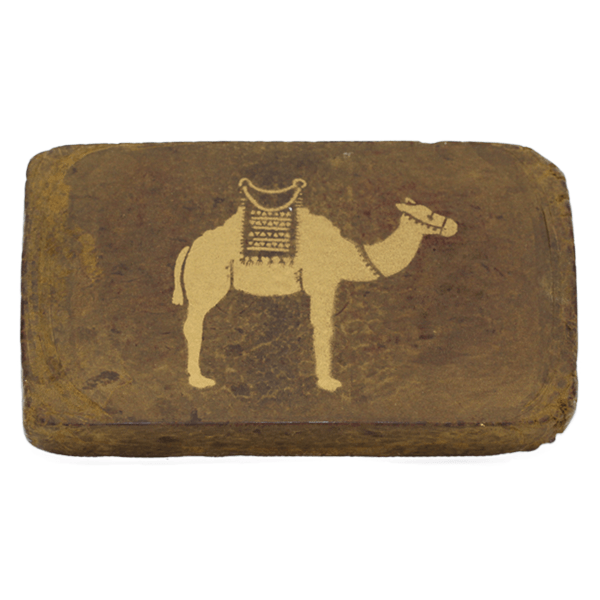
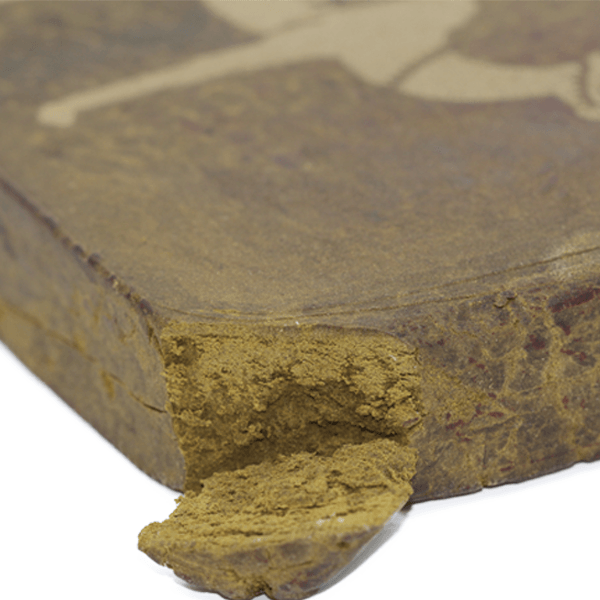


Camel Hash Guide (2026) | Traditional Hash Characteristics, Aroma & Quality Overview
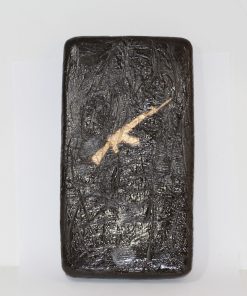
Camel Hash is a name frequently associated with traditional hashish culture, artisan craftsmanship, and resin-focused cannabis concentrates. Among enthusiasts who appreciate heritage-inspired products, Camel Hash has gained recognition for its distinctive aroma profile, rich texture, and connection to classic hash-making traditions that have been valued for generations.
As interest in traditional cannabis concentrates continues to grow in 2026, many consumers are exploring hash products for their unique characteristics and historical significance. Camel Hash represents a category of concentrates that emphasizes resin quality, traditional production methods, and aromatic complexity.
This guide explores Camel Hash from an educational perspective, covering its flavor profile, aroma characteristics, appearance, production traditions, storage recommendations, and the factors that often define premium-quality hash products.
What Is Camel Hash?
Camel Hash is generally classified as a traditional cannabis concentrate produced from collected and processed resin glands, commonly known as trichomes. Traditional hashish products have a long history and remain popular among enthusiasts who appreciate heritage-inspired concentrates.
Why Traditional Hash Remains Popular
Consumers continue to appreciate traditional hash for several reasons:
- Rich aromatic profiles
- Resin-focused craftsmanship
- Distinctive textures
- Cultural significance
- Historical heritage
- Traditional production methods
These qualities help traditional hash maintain a dedicated following worldwide.
The History of Traditional Hash
Hashish has been produced and enjoyed across various regions for centuries.
Cultural and Historical Significance
Traditional hash production has often been linked to:
- Artisan craftsmanship
- Regional cultivation traditions
- Cannabis heritage
- Resin collection techniques
- Historic concentrate production
Many enthusiasts value the history and craftsmanship associated with traditional hash products.
Camel Hash Flavor Profile
Flavor remains one of the defining characteristics of quality hash products.
Common Flavor Notes
Depending on the source material and production methods, Camel Hash may exhibit:
- Earthy richness
- Herbal complexity
- Woody undertones
- Mild spice notes
- Resinous sweetness
- Subtle floral hints
Flavor characteristics can vary between batches and producers.
Aroma Characteristics
Aroma is often considered one of the most important indicators of hash quality.
Common Aromatic Notes
Many enthusiasts describe aromas such as:
- Deep earthy scents
- Herbal fragrances
- Rich resin notes
- Warm spice accents
- Natural woody undertones
- Gentle sweetness
A complex and pleasant aroma is frequently associated with high-quality resin production.
Appearance and Texture
Visual and tactile qualities are important when evaluating traditional hash products.
Characteristics of Premium Hash
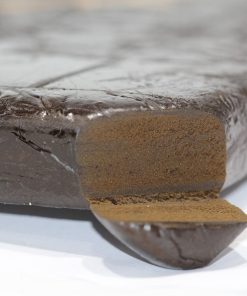
Quality hash often displays:
- Uniform coloration
- Consistent texture
- Resin-rich appearance
- Proper curing
- Smooth handling properties
- Clean presentation
The exact appearance may vary depending on production style and source material.
Traditional Hash Production
Traditional hash production focuses on collecting resin glands and processing them into a concentrated form.
Factors That Influence Quality
Several factors contribute to the final product:
- Cannabis genetics
- Resin content
- Harvest quality
- Collection methods
- Processing techniques
- Storage conditions
These variables play a major role in determining aroma, texture, and overall product quality.
Why Enthusiasts Appreciate Camel Hash
Traditional hash products continue attracting consumers seeking authentic concentrate experiences.
Reasons for Continued Popularity
Enthusiasts often appreciate:
- Traditional craftsmanship
- Aromatic complexity
- Cultural heritage
- Resin-focused production
- Distinctive textures
These qualities help Camel Hash maintain its appeal among concentrate enthusiasts.
How to Identify Quality Hash
Recognizing quality hash involves evaluating multiple characteristics.
Indicators of Premium Hash
Strong Aroma
A rich and pleasant aroma often reflects quality resin content.
Consistent Texture
Uniform texture may indicate careful processing and curing.
Proper Storage
Well-preserved products typically maintain their intended characteristics.
Clean Appearance
Quality products generally exhibit consistency in appearance and presentation.
Storage Recommendations
Proper storage helps preserve aroma, texture, and overall product quality.
Best Practices
For optimal preservation:
- Store in airtight containers
- Avoid direct sunlight
- Protect from excessive heat
- Minimize moisture exposure
- Keep in a cool, dry environment
Proper storage can help maintain freshness and quality over time.
Traditional Hash vs Modern Concentrates
Consumers often compare traditional hash with newer concentrate categories.
Traditional Hash
Typically appreciated for:
- Heritage production methods
- Resin-rich characteristics
- Distinctive texture
- Cultural significance
Modern Concentrates
Often recognized for:
- Advanced processing methods
- Diverse product formats
- Various consistencies
- Technological innovation
Both categories appeal to different consumer preferences.
Why Traditional Hash Is Trending in 2026
The growing interest in artisan and heritage-inspired cannabis products has renewed attention on traditional hash.
Current Market Trends
Many consumers increasingly seek:
- Authentic craftsmanship
- Traditional products
- Heritage concentrates
- Resin-focused quality
- Artisan production methods
These trends continue driving interest in classic hash categories.
Frequently Asked Questions
What is Camel Hash?
Camel Hash is a traditional hashish product known for its resin-rich characteristics, aromatic complexity, and connection to heritage-inspired concentrate craftsmanship.
What does Camel Hash smell like?
Many enthusiasts describe earthy, herbal, woody, spicy, and subtly sweet aromatic notes.
Why is traditional hash popular?
Traditional hash remains popular because of its craftsmanship, cultural heritage, distinctive texture, and rich aroma profile.
How should hash be stored?
Store hash in an airtight container in a cool, dry location away from direct sunlight and excessive heat.
What influences the quality of hash?
Resin quality, source material, processing methods, curing techniques, and storage conditions all contribute to overall quality.
Is traditional hash different from modern concentrates?
Yes. Traditional hash typically emphasizes heritage production techniques and resin-focused craftsmanship, while modern concentrates often use advanced extraction technologies.
Conclusion
Camel Hash represents the enduring appeal of traditional cannabis concentrate culture. Its rich aroma, resin-focused craftsmanship, distinctive texture, and connection to long-standing hash-making traditions continue attracting enthusiasts in 2026.
As appreciation for artisan concentrates and heritage-inspired products grows, Camel Hash remains an example of the craftsmanship and cultural significance that have helped traditional hash maintain its place within cannabis culture for generations.
| Weight | 2g, 8g, 28g |
|---|
Be the first to review “Camel Hash”
Related products
Hash


Hash

Hash
Hash
Hash


Hash

Hash

Hash
Reviews
There are no reviews yet.