
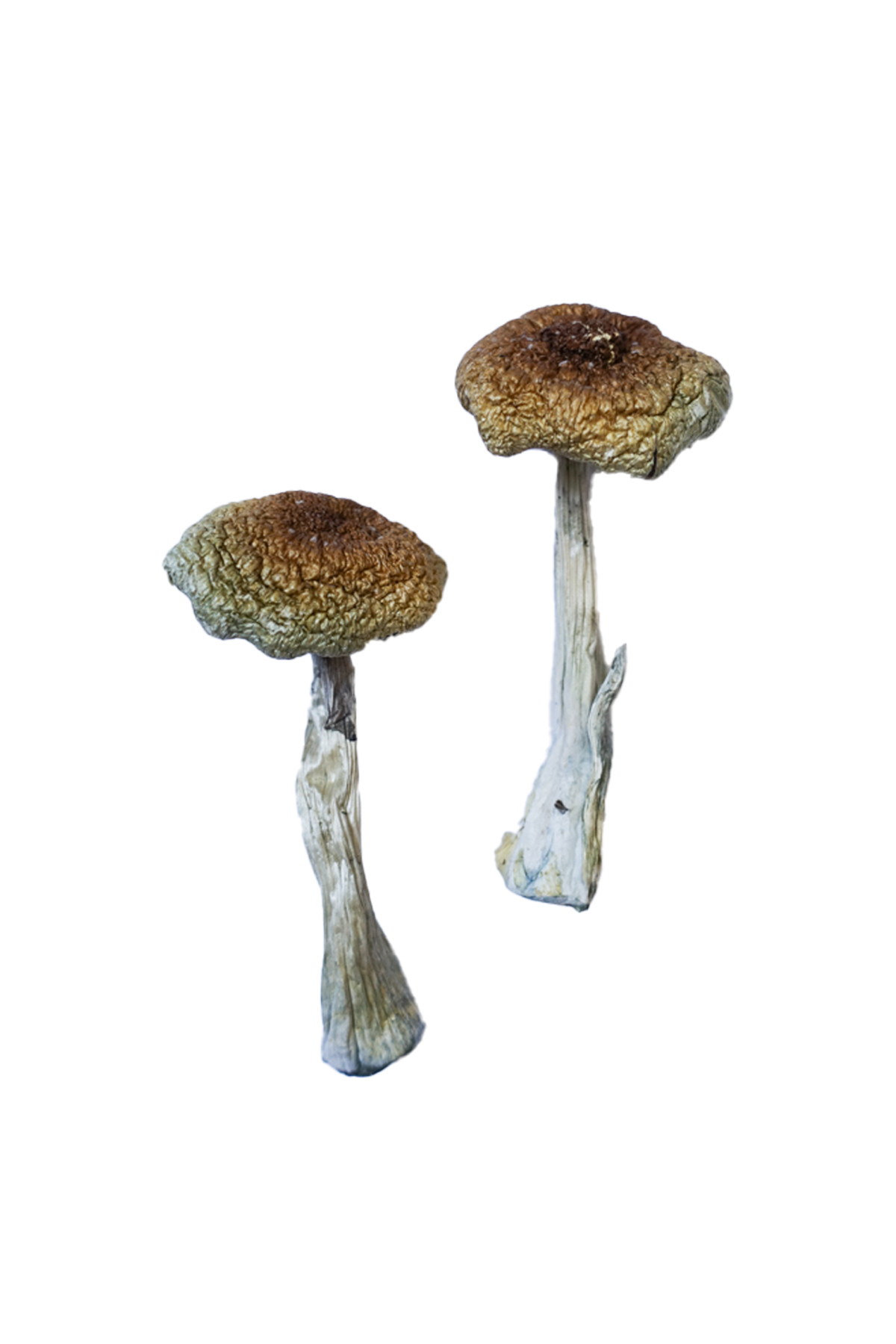
Psilocybe Aztecorum Magic Mushrooms (2026 Guide) | History, Characteristics & Ethnomycology
Psilocybe aztecorum is one of the most historically significant psilocybin-containing mushroom species known to science. Named after the Aztec civilization, this fascinating mushroom occupies a unique place in discussions surrounding ethnomycology, cultural history, indigenous traditions, and modern psychedelic research. Unlike many commonly discussed Psilocybe cubensis varieties, Psilocybe aztecorum is a distinct species with its own ecological characteristics, historical associations, and scientific importance.
As interest in psychedelic studies, fungal biodiversity, and ethnobotanical history continues to grow in 2026, Psilocybe aztecorum remains an important subject for researchers, educators, mycology enthusiasts, and those interested in understanding the cultural roots of psilocybin-containing mushrooms.
This comprehensive educational guide explores the history, taxonomy, habitat, cultural significance, scientific interest, and distinguishing characteristics of Psilocybe aztecorum.
What Is Psilocybe Aztecorum?
Psilocybe aztecorum is a species of psilocybin-containing mushroom belonging to the genus Psilocybe. It is native to high-altitude regions of central Mexico and is particularly associated with mountainous environments.
Unlike commercial or community-named mushroom varieties, Psilocybe aztecorum is recognized as a distinct species within scientific taxonomy.
Key Facts About Psilocybe Aztecorum
Some notable characteristics include:
- Native to Mexico
- Member of the Psilocybe genus
- Associated with high-altitude habitats
- Historically linked to indigenous traditions
- Studied within ethnomycology and mycology
- Contains naturally occurring psilocybin compounds
These features contribute to its importance within both scientific and cultural discussions.
The Meaning Behind the Name
The species name “aztecorum” references the Aztec people, one of the most influential civilizations in Mesoamerican history.
Historical Context
Researchers believe the naming reflects:
- Geographic origins
- Cultural associations
- Historical significance
- Indigenous heritage
- Ethnomycological interest
The connection highlights the role that certain mushrooms may have played within traditional societies of the region.
Historical Significance of Psilocybe Aztecorum
One reason Psilocybe aztecorum attracts attention is its association with ancient Mesoamerican traditions.
Indigenous Cultural Connections
Historical records and ethnographic research have explored relationships between mushrooms and:
- Spiritual ceremonies
- Religious traditions
- Cultural rituals
- Community practices
- Indigenous knowledge systems
These historical connections continue to be studied by anthropologists, historians, and ethnomycologists.
Understanding Ethnomycology
Ethnomycology is the study of relationships between human cultures and fungi.
Why Ethnomycology Matters
Researchers use ethnomycology to understand:
- Traditional knowledge
- Cultural practices
- Historical mushroom use
- Indigenous perspectives
- Human-fungal relationships
Psilocybe aztecorum frequently appears in discussions of ethnomycological history due to its regional significance.
Habitat and Natural Environment
Unlike many commonly discussed psilocybin mushrooms, Psilocybe aztecorum is adapted to specific environmental conditions.
Typical Habitat
The species is commonly associated with:
- High-altitude mountain regions
- Forested environments
- Cool temperatures
- Moist ecosystems
- Volcanic landscapes
Its habitat requirements make it a particularly interesting subject within ecological studies.
Taxonomy and Classification
Scientific classification helps researchers understand relationships between species.
Taxonomic Position
Psilocybe aztecorum belongs to:
- Kingdom: Fungi
- Division: Basidiomycota
- Family: Hymenogastraceae
- Genus: Psilocybe
- Species: Psilocybe aztecorum
Taxonomy provides valuable context for understanding fungal biodiversity.
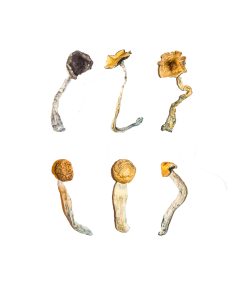
Physical Characteristics
Mycologists use physical traits to identify mushroom species.
Cap Features
Common descriptions include:
- Variable coloration
- Smooth surface texture
- Convex to expanded shape
- Moisture-responsive appearance
Stem Features
Typical stems may exhibit:
- Slender structure
- Pale coloration
- Fibrous texture
- Species-specific morphology
Appearance can vary depending on environmental conditions and growth stages.
Psilocybin and Scientific Research
Like other members of the Psilocybe genus, Psilocybe aztecorum contains naturally occurring psilocybin compounds.
Research Areas
Scientists continue studying psilocybin in relation to:
- Brain connectivity
- Consciousness
- Perception
- Emotional processing
- Cognitive flexibility
- Neural communication
Much of the scientific interest focuses on the compounds themselves rather than individual species.
Why Researchers Study Psilocybe Aztecorum
Several factors contribute to scientific interest in this species.
Areas of Importance
Researchers examine:
- Evolutionary relationships
- Ecological adaptation
- Geographic distribution
- Ethnomycological history
- Fungal biodiversity
- Cultural significance
These topics make the species valuable within multiple academic disciplines.
Psilocybe Aztecorum and Biodiversity
Fungal biodiversity remains one of the most fascinating areas of biological research.
Importance of Fungal Diversity
Scientists study fungi to better understand:
- Ecosystem health
- Species evolution
- Environmental adaptation
- Conservation biology
- Ecological interactions
Psilocybe aztecorum contributes to our understanding of these broader ecological questions.
Common Misconceptions
Myth 1: All Psilocybin Mushrooms Are the Same
Different species possess unique habitats, histories, and physical characteristics.
Myth 2: Mushroom Research Is New
Scientific investigation of psilocybin mushrooms has been ongoing for decades.
Myth 3: Scientists Know Everything About Fungi
Many fungal species remain understudied, and new discoveries continue to emerge.
Legal Considerations
Regulations concerning psilocybin-containing mushrooms vary significantly across jurisdictions.
Why Legal Awareness Matters
Researchers, educators, and readers should remain informed about:
- Local laws
- Policy developments
- Research frameworks
- Regional regulations
Legal environments continue evolving in many regions.
The Future of Psilocybin and Mycology Research
Scientific interest in fungi and psychedelics continues expanding globally.
Emerging Research Topics
Researchers are exploring:
- Fungal biodiversity
- Conservation biology
- Neuroscience
- Consciousness studies
- Ethnomycology
- Ecological adaptation
Future discoveries may further expand our understanding of species such as Psilocybe aztecorum.
Frequently Asked Questions
What is Psilocybe aztecorum?
Psilocybe aztecorum is a psilocybin-containing mushroom species native to high-altitude regions of central Mexico.
Why is it called aztecorum?
The name references the Aztec civilization and reflects the species’ geographic and historical associations.
Where does Psilocybe aztecorum grow?
It is commonly associated with mountainous and high-altitude environments in Mexico.
What field studies mushrooms and human culture?
Ethnomycology examines relationships between fungi and human societies.
Why is Psilocybe aztecorum important?
Its significance stems from its historical associations, ecological uniqueness, and role in discussions of ethnomycology and fungal biodiversity.
Are scientists studying psilocybin?
Yes. Researchers continue investigating psilocybin’s effects on brain function, consciousness, perception, and emotional processing.
Conclusion
Psilocybe aztecorum occupies a unique place within the worlds of mycology, ethnomycology, cultural history, and psychedelic research. Its association with Mesoamerican traditions, distinctive ecological niche, and scientific significance make it one of the most fascinating species within the Psilocybe genus.
As research into fungi, biodiversity, and consciousness continues expanding in 2026, Psilocybe aztecorum remains an important educational subject for those interested in the intersection of science, history, culture, and the natural world.
| Weight | 1 gram, 3.5 grams, 7 grams, 14 grams, 28 grams |
|---|
Be the first to review “Psilocybe Aztecorum Magic Mushrooms”
Related products
Mushrooms
Mushrooms
Mushrooms
Mushrooms
Mushrooms
Mushrooms
Reviews
There are no reviews yet.