
Treasure Coast Magic Mushrooms (2026 Guide) | History, Characteristics & Psilocybin Education
Treasure Coast Magic Mushrooms are among the most recognized varieties associated with Psilocybe cubensis, one of the best-known species of psilocybin-containing mushrooms. Named after Florida’s Treasure Coast region, this variety has earned a notable place within psychedelic culture, mushroom education, and discussions surrounding fungal biodiversity.
As public interest in psychedelic science, mycology, and consciousness studies continues growing in 2026, Treasure Coast mushrooms remain a popular topic among enthusiasts, educators, researchers, and those interested in learning more about the history and diversity of psilocybin mushrooms.
This educational guide explores Treasure Coast Magic Mushrooms from a historical and informational perspective, covering their origins, characteristics, cultural significance, scientific relevance, and frequently asked questions.
What Are Treasure Coast Magic Mushrooms?
Treasure Coast Magic Mushrooms are commonly recognized as a variety associated with Psilocybe cubensis, a species known for naturally containing the compounds psilocybin and psilocin.
Like many well-known mushroom varieties, Treasure Coast has gained popularity due to its historical recognition, regional identity, and visibility within psychedelic communities.
Key Characteristics
Treasure Coast mushrooms are often associated with:
- Florida origins
- Strong community recognition
- Historical significance
- Presence in mushroom education
- Connection to psilocybin research discussions
These factors have contributed to their lasting popularity within psychedelic culture.
The Origin of the Treasure Coast Name
The variety takes its name from Florida’s Treasure Coast, a coastal region known for its history, biodiversity, and maritime heritage.
Why the Name Matters
The name reflects:
- Geographic identity
- Historical discovery associations
- Community recognition
- Regional significance
- Mushroom culture history
Regional names have long played an important role in helping identify and distinguish mushroom varieties.
The History of Treasure Coast Mushrooms
Treasure Coast mushrooms became increasingly recognized during the expansion of mushroom education and cultivation communities.
Rise in Popularity
Several factors contributed to their visibility:
- Community discussions
- Educational resources
- Mushroom identification guides
- Increased public interest in psilocybin research
- Growing awareness of fungal biodiversity
Today, Treasure Coast remains one of the more widely recognized names in mushroom culture.
Understanding Psilocybin
Psilocybin is the primary compound most commonly associated with magic mushrooms.
What Is Psilocybin?
Psilocybin is a naturally occurring psychedelic compound that converts into psilocin after entering the body. Researchers continue studying its effects on perception, cognition, consciousness, and brain function.
Current scientific research focuses on:
- Brain connectivity
- Consciousness studies
- Emotional processing
- Cognitive flexibility
- Neural communication
- Perception research
Interest in psilocybin science continues expanding globally.
Physical Characteristics of Treasure Coast Mushrooms
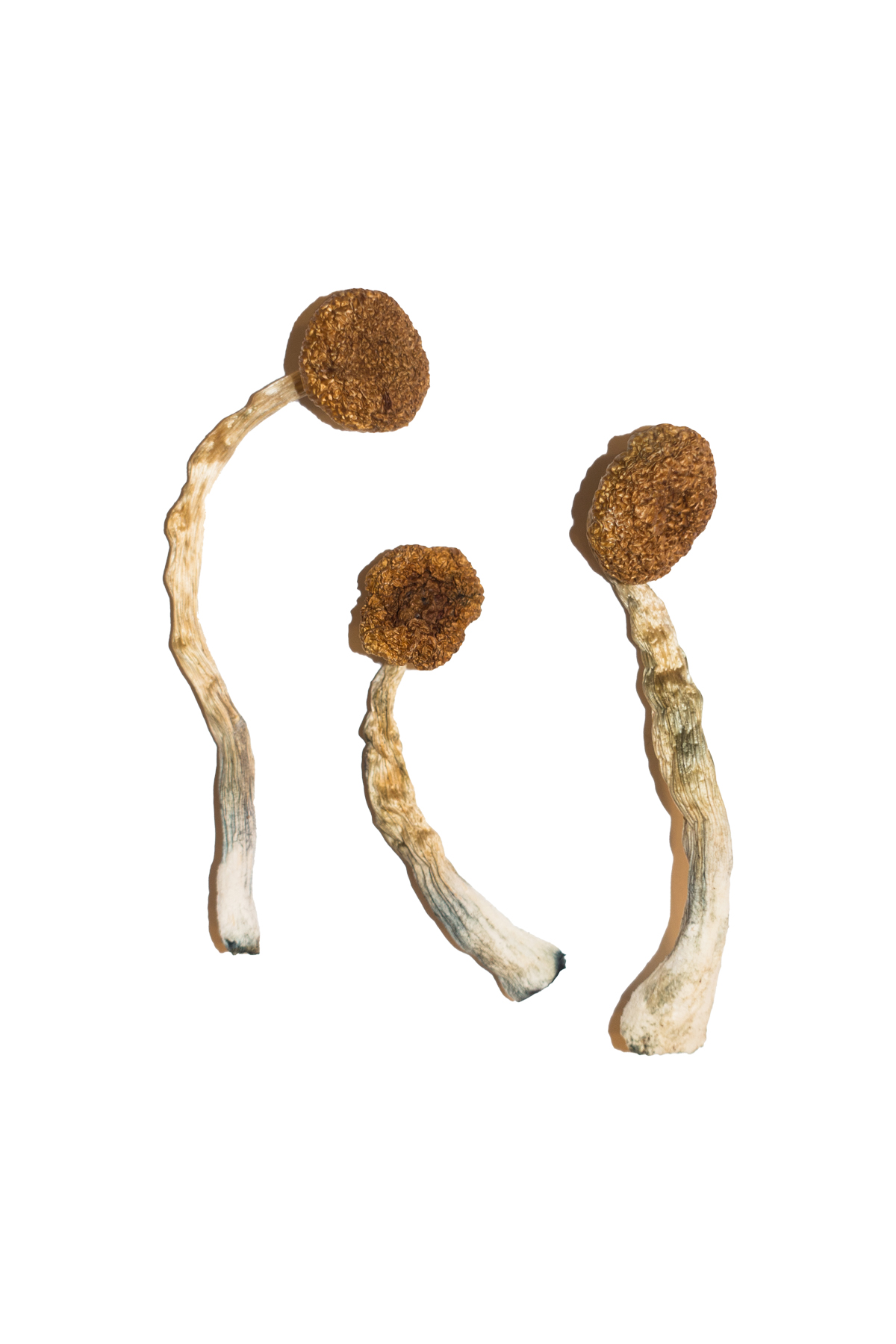
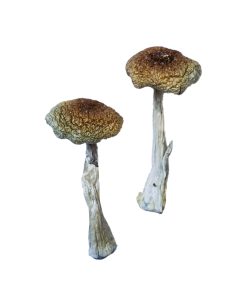
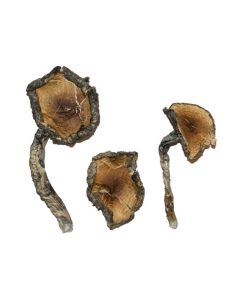
Like many Psilocybe cubensis varieties, Treasure Coast mushrooms exhibit recognizable physical traits.
Cap Appearance
Common characteristics may include:
- Golden to brown coloration
- Rounded cap shape
- Smooth texture
- Variable size depending on environmental conditions
Stem Characteristics
Typical descriptions often include:
- Pale stems
- Fibrous structure
- Moderate thickness
- Consistent species morphology
Environmental factors can influence exact appearance.
Why Treasure Coast Mushrooms Are Popular
Several factors contribute to the enduring popularity of Treasure Coast mushrooms.
Reasons for Recognition
Their visibility stems from:
- Historical significance
- Regional identity
- Educational references
- Community awareness
- Interest in psychedelic science
These characteristics continue supporting their popularity in 2026.
Treasure Coast Mushrooms and Scientific Research
Scientific research generally focuses on psilocybin and related compounds rather than individual mushroom varieties.
Current Areas of Investigation
Researchers continue exploring:
- Neuroscience
- Consciousness
- Emotional processing
- Cognitive flexibility
- Brain network communication
- Mental health research
Psilocybin remains one of the most actively studied psychedelic compounds today.
Cultural Significance of Treasure Coast Mushrooms
Treasure Coast mushrooms occupy an important place within discussions of mushroom history and psychedelic culture.
Areas of Interest
Educational discussions frequently explore connections to:
- Mushroom diversity
- Regional mushroom history
- Consciousness studies
- Scientific curiosity
- Community knowledge
- Cultural awareness
These topics help explain the variety’s enduring recognition.
Mushroom Diversity and Mycology
Fungi represent one of the most diverse biological kingdoms on Earth.
Why Diversity Matters
Researchers study fungal diversity to better understand:
- Ecosystem health
- Evolutionary relationships
- Species adaptation
- Biodiversity conservation
- Environmental interactions
Treasure Coast mushrooms contribute to broader discussions about fungal classification and diversity.
Psychedelics and Consciousness Studies
One reason psilocybin mushrooms continue attracting scientific attention is their relationship to consciousness research.
Research Questions
Scientists continue examining:
- Self-awareness
- Perception
- Emotional experiences
- Cognitive processes
- Brain network communication
These remain among the most fascinating questions in modern neuroscience.
Understanding Set and Setting
Educational psychedelic discussions often reference the concept of “set and setting.”
Set
Refers to:
- Mindset
- Expectations
- Emotional condition
- Personal outlook
Setting
Refers to:
- Physical environment
- Social surroundings
- Overall context
Researchers frequently discuss these factors when studying psychedelic experiences.
Common Misconceptions About Treasure Coast Mushrooms
Myth 1: All Mushroom Varieties Are Identical
Different varieties often have unique histories, appearances, and cultural associations.
Myth 2: Psychedelic Research Is New
Scientific research into psychedelics has existed for decades and continues growing today.
Myth 3: Scientists Have All the Answers
Many questions regarding consciousness, perception, and psilocybin remain under active investigation.
Legal Considerations
Psilocybin regulations vary significantly depending on jurisdiction.
Why Legal Awareness Matters
Anyone researching psychedelic topics should understand:
- Local regulations
- Policy developments
- Research exemptions
- Regional legal frameworks
Legal environments continue evolving in many parts of the world.
The Future of Psilocybin Research
Scientific interest in psychedelics continues expanding rapidly.
Emerging Research Areas
Researchers are studying:
- Brain connectivity
- Consciousness research
- Neuroimaging
- Emotional processing
- Cognitive flexibility
- Mental health science
The coming years are expected to provide important new insights into psychedelic compounds.
Frequently Asked Questions
What are Treasure Coast Magic Mushrooms?
Treasure Coast Magic Mushrooms are a recognized variety associated with Psilocybe cubensis and named after Florida’s Treasure Coast region.
Why are they called Treasure Coast?
The name reflects their historical association with Florida’s Treasure Coast area.
What compounds do Treasure Coast mushrooms contain?
Like other Psilocybe cubensis varieties, they contain psilocybin and psilocin.
Why are Treasure Coast mushrooms popular?
Their regional identity, historical recognition, and visibility within psychedelic culture have contributed to their popularity.
Are scientists studying psilocybin?
Yes. Researchers continue investigating psilocybin’s effects on consciousness, brain function, perception, and emotional processing.
Are psilocybin laws the same everywhere?
No. Legal regulations vary significantly depending on country, state, province, or municipality.
Conclusion
Treasure Coast Magic Mushrooms remain one of the most recognized regional varieties associated with Psilocybe cubensis. Their connection to Florida, historical significance, and place within psychedelic education have made them a lasting subject of interest among mushroom enthusiasts, educators, and researchers.
As scientific understanding of psychedelics continues expanding in 2026, Treasure Coast mushrooms remain an important educational reference point for exploring fungal biodiversity, mushroom history, cultural significance, and the evolving field of psilocybin research.
| Weight | 1 gram, 3.5 grams, 7 grams, 14 grams, 28 grams |
|---|
Be the first to review “Treasure Coast Magic Mushrooms”
Related products
Mushrooms
Mushrooms
Mushrooms
Mushrooms
Mushrooms
Mushrooms
Reviews
There are no reviews yet.